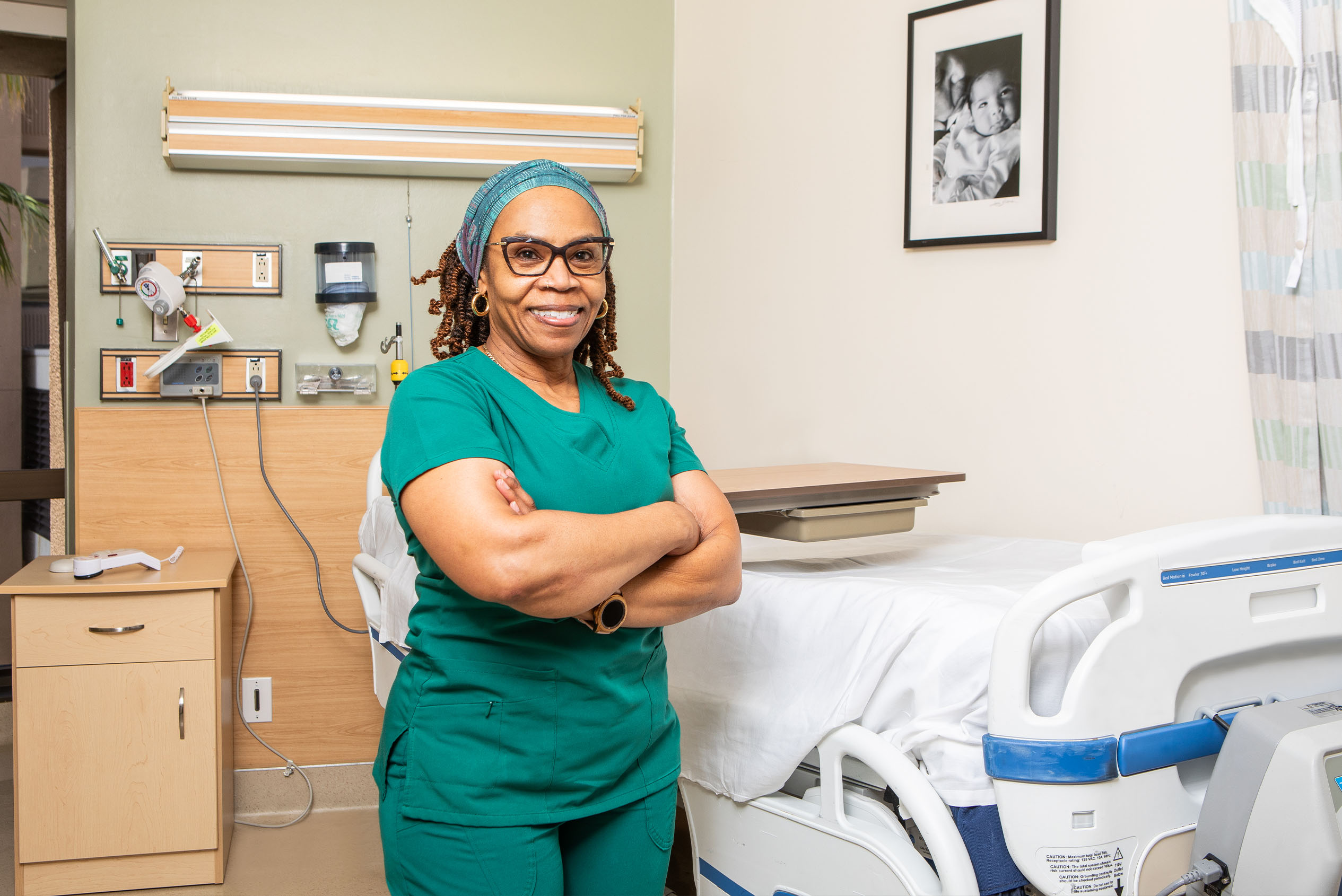
Licensed Vocational/Practical Nurse (LVN/LPN) Pathway
The Education Fund has partnered with educational providers to offer LVN/LPN programs that prepare students for National Council Licensed Examination (NCLEX).
The Importance of LVNs/LPNs
LVNs care for ill, injured or convalescing patients in hospitals, nursing homes, clinics, etc. May work under the supervision of a registered nurse.
- Measure and record vital signs
- Administer and record medications, start intravenous fluids
- Provide basic patient care or treatments, such as taking temperature, measuring blood pressure and dressing wounds
- Work as part of a healthcare team to assess patient needs, plan and modify care and implement interventions
- Evaluate nursing intervention outcomes, conferring with other healthcare team as necessary
- Help patients with bathing, dressing, maintaining personal hygiene, moving in bed, standing and walking
- Prepare patients for examinations, tests or treatments and explain procedures
Learn more about being an LVN/LPN, including employment trends, salary averages, and related skills at O*Net(opens in a new tab) or CareerOneStop(opens in a new tab).
Information Session
If you would like to learn more about this opportunity, RSVP for an info session.

Education or Training Requirements
To become an LVN/LPN, you must:
- Pass a criminal background check
- Be at least 18 years old
- Have a high school diploma or GED
- Attend a state approved training program that includes 1,530 (Theory: 576, Clinical: 954) training hours
- Programs can be
- 12 months for full-time (typically Mon-Fri daytime hours, depends on school)
- 18 months for part-time (typically evening, 2-3 days a week, depends on school)
Accrediting Agencies
- California Board of Vocational Nursing and Psychiatric Technicians (BVNPT)
Why accreditation is important: An accredited school has been reviewed by an industry organization to ensure that quality standards are met and maintained, providing some assurance of receiving a quality education. Some employers, licensing boards, and graduate schools will only accept credentials earned at an accredited school. Attending an accredited school will often increase your opportunities in the long run, as employers usually prefer to hire people who have graduated from accredited programs. Attending a non-accredited school can also affect ability to obtain licensure and advance to other nursing degree programs.
Certifications/Licensure
- National Council of State Board of Nursing for the NCLEX
Please note: The above content is for informational purposes and is not intended to replace or provide any employer-specific requirements. Please be sure to check your employers’ job descriptions for specific requirements or consult your local HR department.
Interested?
Connect with a Career counselor via MyEdFund, our secure member portal.
We receive a tremendous response to our education and training programs. Availability is not guaranteed and varies based on demand, available spots, and our partnerships with educational providers.